Private preview · action group forming

Great Dunmow planning application UTT/26/1635/OP

Before 850 homes are approved, the evidence must be complete.

This outline application could shape Great Dunmow and Church End for generations. Residents are asking for the roads, drainage, services, landscape and wildlife evidence to be properly examined before any permission is granted.

View from Beaumont Hill towards Church End · community photograph

ProposalUp to 850 homes
LocationLand around The Broadway and Church End
ReferenceUTT/26/1635/OP
Public comment deadlineWednesday 12 August 2026

What this campaign is asking for

Good planning means answering the difficult questions now.

We understand the need for new homes. The question is whether a development of this size can be safely and sustainably supported, and whether its promised infrastructure will arrive when people need it.

This site helps residents understand the main issues and make their own evidence-led comments. It does not replace the council’s official planning record.

Six questions that need clear answers

The concerns in plain English

Choose the subjects you know about. You do not need to cover everything.

01

Traffic, St Edmunds Lane and the bridge

The application must properly test construction traffic, day-to-day traffic, on-street parking, children’s safety and emergency access. The applicant’s busiest construction period could mean about 160 HGV movements a day. Church End Bridge also needs an agreed, evidence-based solution before permission—not after.
02

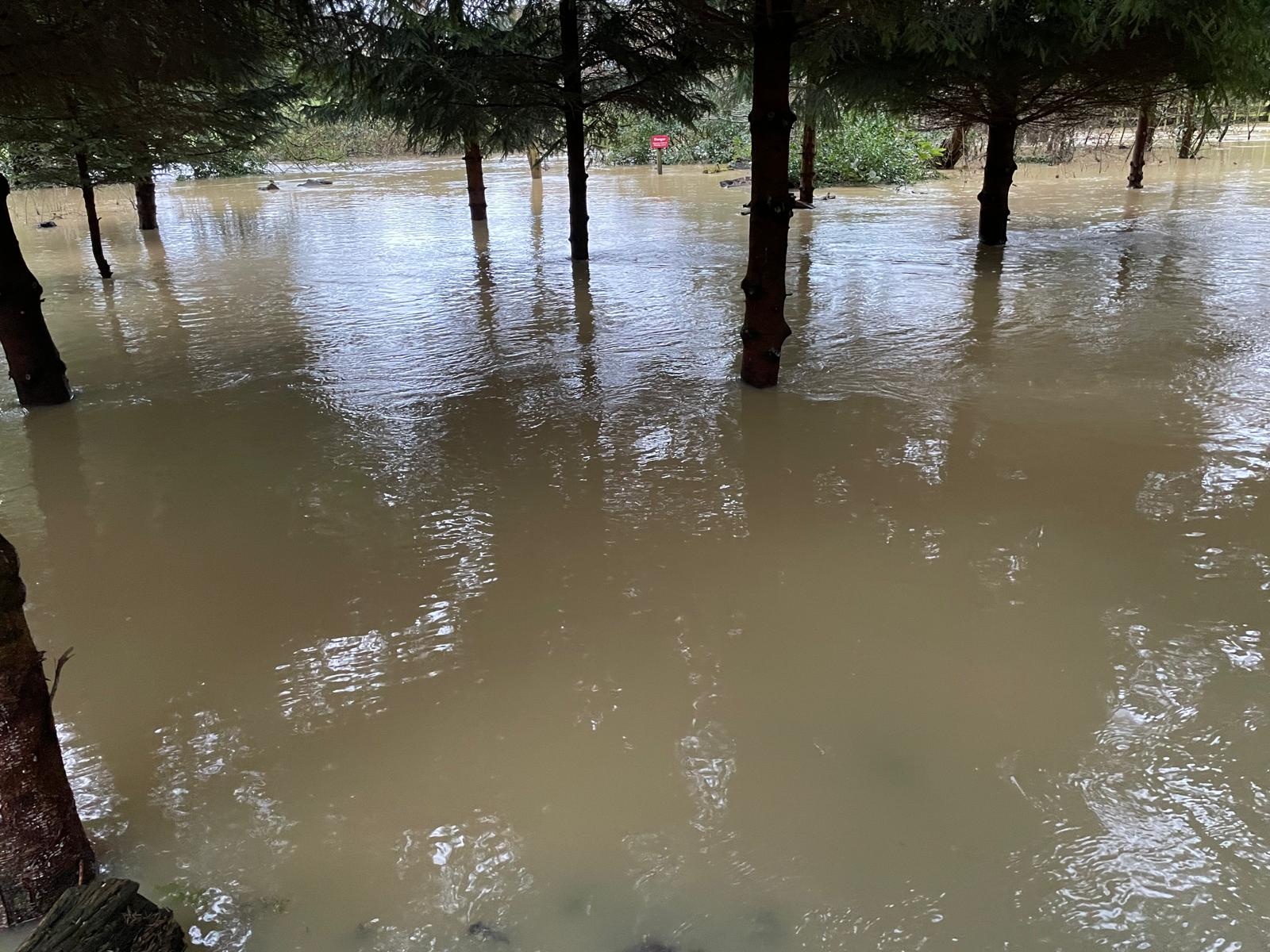
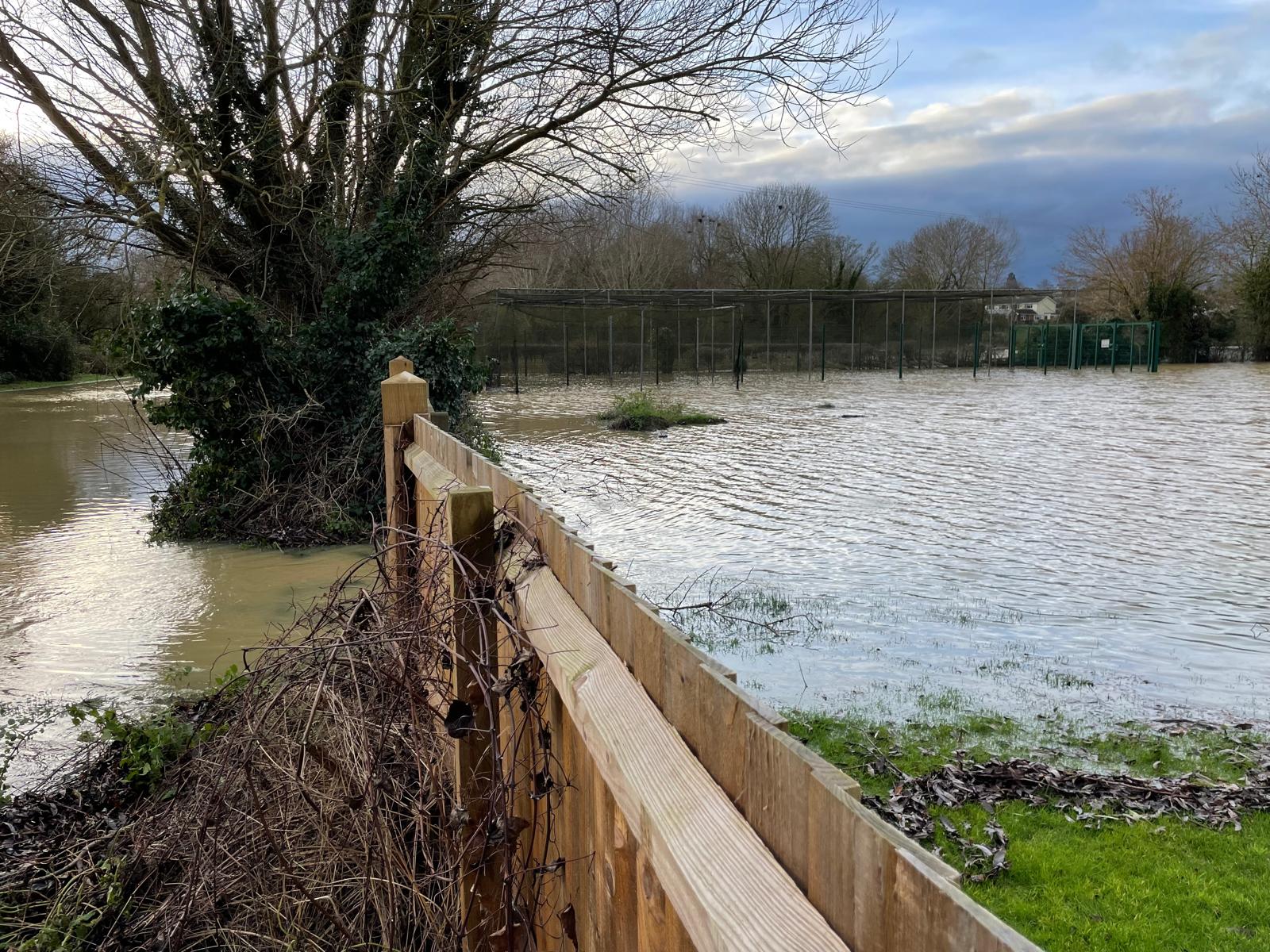
Flooding, drainage and the River Chelmer

Residents need current, joined-up evidence about surface water, sewer capacity, river condition and downstream effects. Important questions raised with the authorities still need clear answers and enforceable safeguards.

03

The countryside gap and Church End

The open valley separates Great Dunmow from Church End and contributes to the rural setting of St Mary’s Church. The proposal’s scale could permanently change that landscape, settlement pattern and historic setting.

04

Schools, healthcare and everyday services

Promises of land or floorspace are not the same as funded, staffed services. The application should show who will provide each facility, when it will open and what happens if it is late.

05

Public transport, jobs and car dependency

People need realistic routes to Great Dunmow, railway stations and employment centres at the times they travel. If useful buses are not available from the site, more households will have little practical choice but to drive.

06

Wildlife, dark skies and green infrastructure

The fields, hedgerows and River Chelmer corridor form a connected landscape. Protected and declining species, lighting, habitat loss and the reliability of long-term mitigation all require proper examination.

Choose one subject you understand

Short guides for your own research

These are questions to consider, not paragraphs to copy into an objection.

01St Edmunds Lane, construction traffic and Church End BridgeOpen guide

Questions worth asking

  • Does the traffic evidence test St Edmunds Lane as it really operates, with residents’ cars parked along it?
  • How would children, pedestrians, cyclists and emergency vehicles be protected during the busiest construction periods?
  • Has Church End Bridge been assessed for the actual construction vehicles proposed, and who would pay for any necessary work?
02Flooding, drainage, sewage and the River ChelmerOpen guide

Questions worth asking

  • Do the applicant’s flood models and site boundary match the council’s most recent strategic flood assessment?
  • How will existing surface-water routes, ditches, culverts and safe access during flooding be dealt with?
  • Is there firm evidence that sewage and drainage capacity will be available before homes are occupied?
03The countryside gap, landscape and Church EndOpen guide

Questions worth asking

  • What would be lost if the open valley between Great Dunmow and Church End were developed?
  • How would the scale of development affect the rural setting of St Mary’s Church and other historic buildings?
  • Does the proposal follow the council’s own design, landscape and settlement-character evidence?
04Schools, healthcare and community servicesOpen guide

Questions worth asking

  • Are promised facilities funded and staffed, or is only land or floorspace being offered?
  • At what number of occupied homes must each service open?
  • What enforceable remedy exists if a school, surgery or community facility is delayed or never delivered?
05Public transport, employment and car dependencyOpen guide

Questions worth asking

  • Can residents reach Great Dunmow, useful railway stations and employment centres at realistic commuting times?
  • Do journey calculations include walking from the site, waiting, changing buses and the full fare?
  • What happens to walking and cycling assumptions in poor weather or when accompanying children?
06Wildlife, habitats and dark skiesOpen guide

Questions worth asking

  • Has the complete Essex biological-records search been published and properly considered?
  • How will the reported skylark territories and the connected hedgerow and River Chelmer habitats be protected or replaced?
  • What lighting limits would protect bats, other wildlife and Church End’s dark rural character?
07Electricity and essential utilitiesOpen guide

Questions worth asking

  • What network reinforcement is required, who will deliver it and when?
  • Could homes be occupied before adequate electricity, water or wastewater capacity is operating?
  • Are delivery dates secured by enforceable conditions or obligations rather than aspirations?
08Housing mix, affordability and delivery promisesOpen guide

Questions worth asking

  • What mix of dwelling sizes and tenures is actually committed at outline stage?
  • How much affordable housing is secured, and under what circumstances could it later be reduced?
  • Are the promised benefits tied to clear delivery dates and occupation limits?

Make your own comment count

Tell the council what matters to you

Separate, personal comments are more useful than identical copied objections. Be calm, specific and honest. Say what you have seen or experienced and connect it to a planning issue.

  1. Open the Uttlesford planning application using the button below.
  2. Choose the comments tab and follow the portal instructions.
  3. Use application reference UTT/26/1635/OP.
  4. Write in your own words. Explain what you know locally and why it matters.
  5. Concentrate on planning matters such as roads, safety, flooding, services, landscape, heritage, wildlife and whether promised infrastructure will actually be delivered.
  6. Keep a copy or screenshot of what you submit.
Open the official application

The Uttlesford portal can be slow. If the direct link fails, open the council’s planning search and enter UTT/26/1635/OP.

Show the council the real conditions

Photographs can strengthen your objection

Two or three clear photographs with useful captions are better than a large collection without explanation.

Useful things to photograph

  • Parked vehicles and restricted passing space on St Edmunds Lane and around Church End.
  • Ordinary vehicles meeting at narrow points, photographed safely during normal conditions.
  • Church End Bridge, its approaches, visibility and the space available to pedestrians and cyclists.
  • Views across the Chelmer valley and towards St Mary's Church that would be changed by development.
  • Flooding, standing water, overflowing drains, ditches or muddy runoff after rain.
  • Footpaths, hedgerows, mature trees, field boundaries and wildlife habitat.
  • School-run congestion, long walks to services and roads without safe pavements.
  • The present darkness of the valley at night, using an honest unaltered photograph.
Example caption

“St Edmunds Lane looking north at 8.20am on a weekday. Residents' parked cars leave space for only one ordinary vehicle to pass. This is why the assessment should test the road under normal occupied conditions before routing frequent construction traffic through it.”

A short introduction

Start with the two-page summary

The detailed working objections are not published here to discourage identical copied submissions.

2 pages · plain English

Executive summary

The quickest explanation of the proposal and the main reasons for concern.

Open PDF →
Why not publish a ready-made objection?

Your experience is the valuable part.

A short, genuine comment about a road, school, flood event, journey or local view can be more useful than repeating a long document. Use the subject guides, check the evidence and tell the council what matters to you.

Explore the subject guides →
Evidence standard

These are working community documents. Sources and uncertainties are identified where possible. Always use the official planning portal for the current application record and any later submissions.

A local group is taking shape

Help turn individual concern into organised, careful action.

Residents met on 30 July and discussed forming the Broadway & Church End Action Group. Organisers, contact arrangements and a privacy notice still need to be agreed. Until then, this private preview does not collect names or email addresses.

Next stepAgree the group’s purpose and organisers
ThenChoose two or more trusted administrators
Before launchApprove contact and privacy arrangements